


Published
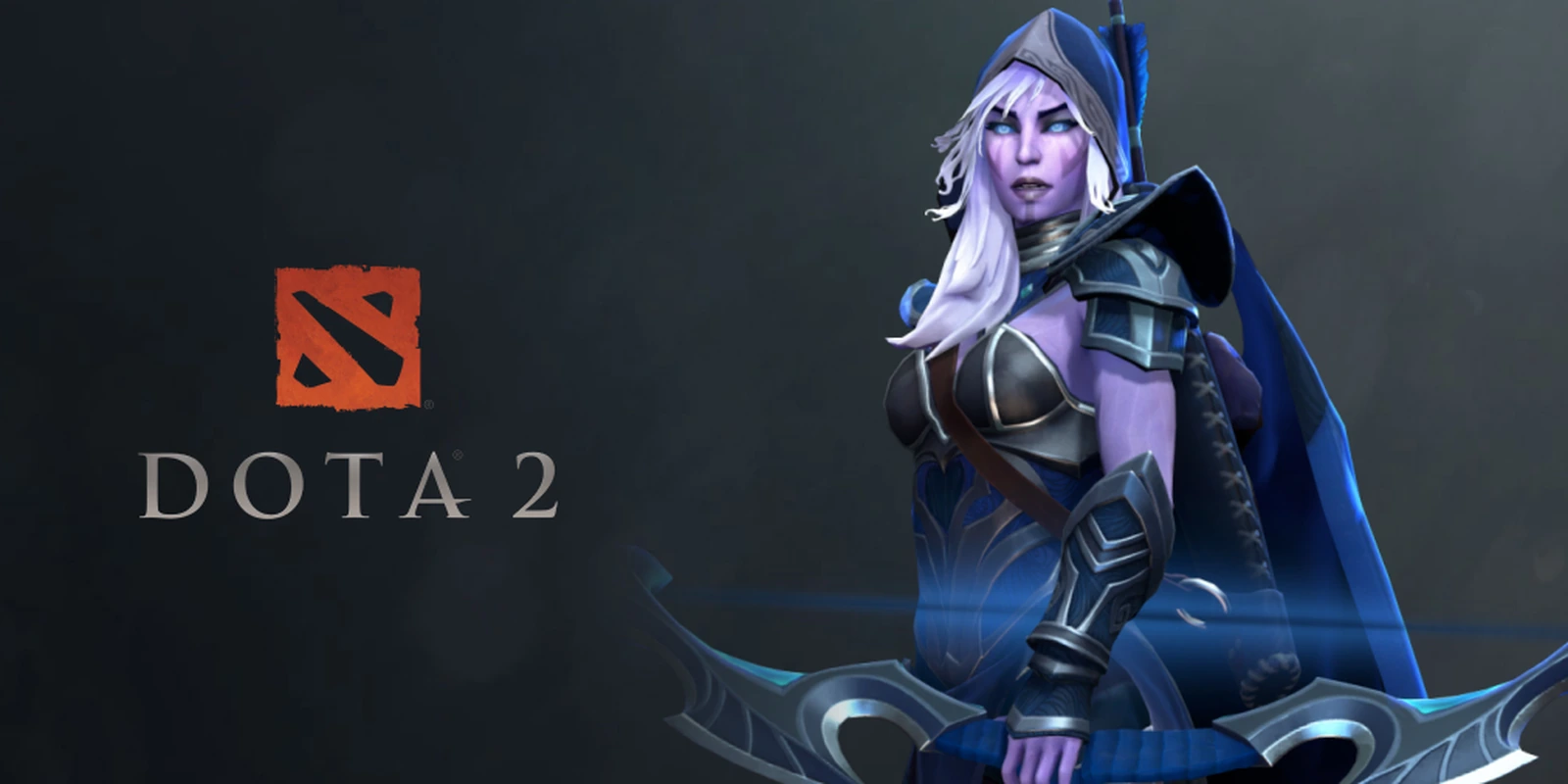
Tidehunter and Drow Ranger appeared much more often in public Dota 2 matches after their Trove of Terror cosmetics arrived, according to figures reported from Dotabuff and STRATZ. Dotabuff recorded Tidehunter at a 16.64% pick rate on October 7, while Drow Ranger moved from 9.32% on October 6 to 19.85% the next day. The rise coincides with the cosmetic release. It does not mean the Arcanas changed the heroes' abilities, and it should not be confused with a rise in win rate.
The two analytics providers offer independent views of the same trend, with slightly different readings. STRATZ listed Tidehunter at 16.19% on October 9 and Drow Ranger at 23% on that date. The values are not identical to Dotabuff's because the sites have different samples and update windows. Both, however, point toward a large increase in how often players choose the heroes. The source report explains that these are rolling match-based measurements, so a number attached to one date is a snapshot of a reporting window rather than a claim that every single match on that day followed the same pattern.

A popularity jump, not a power buff
The cosmetic release gives players a visible reason to try Tidehunter and Drow Ranger again, but it does not alter their mechanical stats. A pick rate measures selection frequency, not success. In the same reporting, Tidehunter's win rate remained around 50% on STRATZ and 49% on Dotabuff; Drow Ranger was around 48% and 46%, respectively. Those readings do not show an equivalent surge in match wins. A larger and more varied group of players trying a hero can even change the observed win rate without any balance patch. The data are strongest as evidence of player interest, not as a verdict that either hero became competitively stronger.
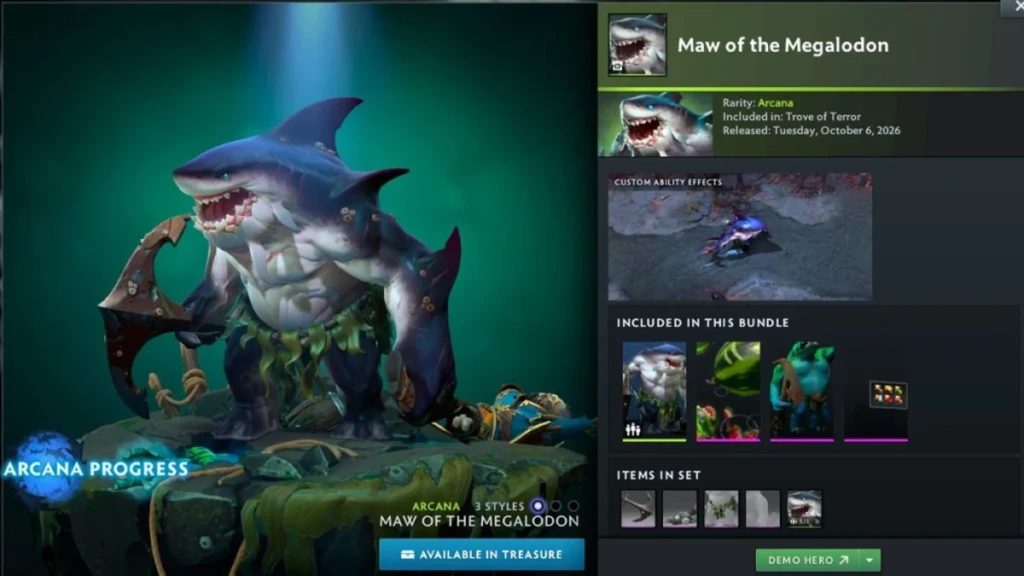
Trove of Terror brought a new Maw of the Megalodon Arcana for Tidehunter and a Sepulchral Stalker bundle associated with Drow Ranger's Arcana. The collection's gifting rules were the subject of a separate Valve update; those rules concern item transfers, not hero selection. This story is about what happened in matches after the visual items arrived. The timing supports a plausible connection between new cosmetics and experimentation in public games, but no dataset here identifies individual motivations. Some players may have tried the heroes because of the new look, while others could have been responding to matches, streams or ordinary play preferences.
How to read the two dashboards
Dotabuff's October 7 figures show Tidehunter at 16.64% and Drow Ranger at 19.85%. STRATZ's October 9 readings put them at 16.19% and 23%. Differences between providers should not be hidden or averaged into a false single number. Each site tracks a defined sample and refreshes it on its own schedule. The more durable finding is directional: both heroes saw more selections after the cosmetics became available. Players checking the sites later may see different current percentages as the rolling windows move. That would not retroactively invalidate these dated snapshots; it would simply show that popularity continues to change. The two heroes also occupy very different roles in ordinary Dota matches: Tidehunter is commonly an offlane initiator, while Drow Ranger is a ranged carry. A simultaneous rise in their selections therefore is not one narrow shift in draft strategy. It is a popularity signal spanning different jobs in a team. Public-match data cannot tell whether the same users switched between them or whether separate groups tried each cosmetic. The win-rate figures help keep the story grounded: more choices do not automatically mean better game outcomes. As the treasure becomes less new, the next useful check will be whether these elevated pick rates persist in the providers' rolling samples.
- Dotabuff: Drow Ranger rose from 9.32% on October 6 to 19.85% on October 7.
- STRATZ: October 9 snapshots showed Tidehunter at 16.19% and Drow Ranger at 23%.
| Hero | Reported post-release pick rate |
|---|---|
| Tidehunter | 16.64% on Dotabuff, October 7 |
| Drow Ranger | 19.85% on Dotabuff, October 7 |
The release was followed by a clear rise in selections for the two featured heroes, not by evidence that their cosmetics improved their combat performance. The separate pick-rate and win-rate figures tell a more useful story than either number alone: players are trying the looks, while results remain governed by the normal game.
 EN — English
 RU — Русский
Comments (0)