


Published
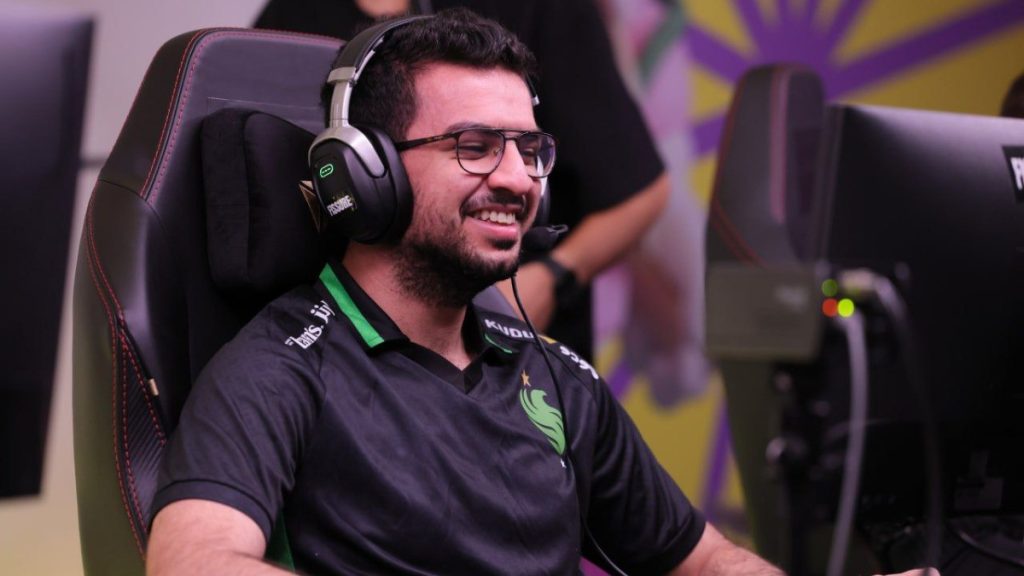
Ammar “ATF” Al-Assaf says recent practice against Team Spirit changed the way he evaluates Illya “Yatoro” Mulyarchuk in lane. The Team Yandex offlaner had previously expected the matchup to be comfortable, but described their latest scrims as noticeably different and called Yatoro perhaps the strongest player at the moment. It is striking praise from a direct lane opponent, though it remains one player’s judgment rather than an objective world ranking.
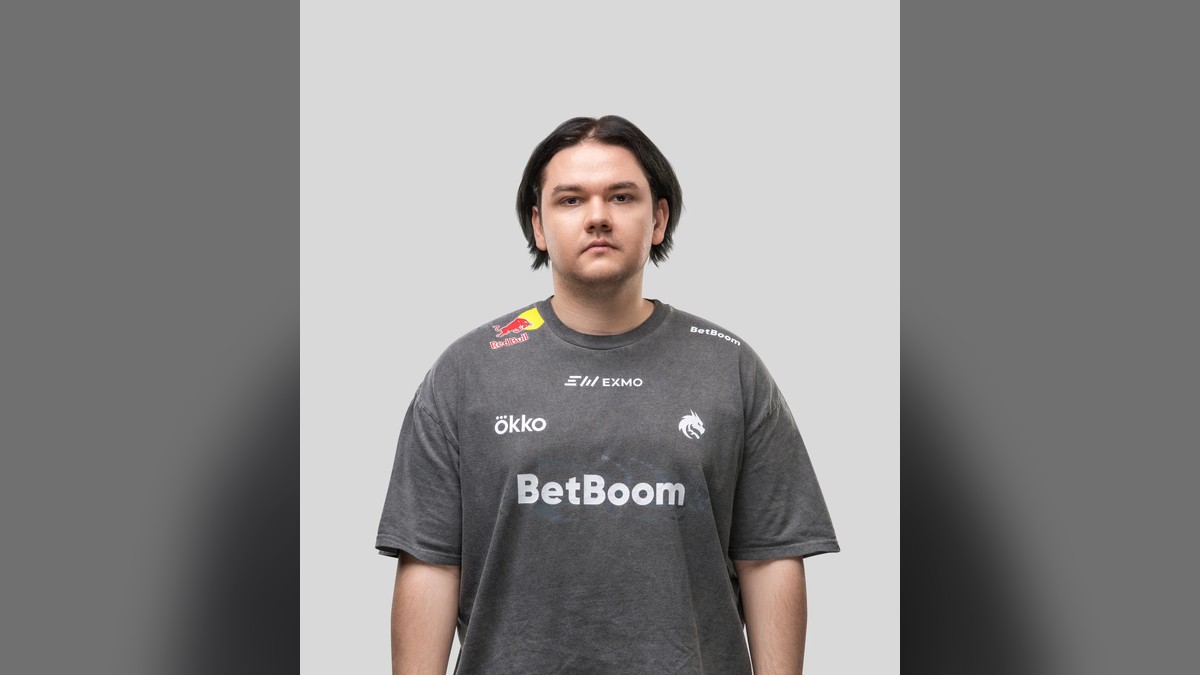
ATF made the comments during BLAST Slam VIII, where the two teams also met in a seeding series. Spirit won that best-of-three 2–1. Yatoro played carry Viper in the opening loss and finished the deciding Slark game with a reported 13–5–12 score, giving the discussion a current competitive setting rather than making it a general career tribute.
The important part of ATF’s answer was the change over time. He said he had not respected Yatoro’s laning to the same degree in the past and used to approach the lane as a favourable one. After the most recent practice games, that expectation no longer held. Scrims are private and their results were not disclosed, so they cannot be treated as tournament evidence. They can, however, reveal a technical improvement to someone repeatedly playing the matchup.
A stronger lane changes Spirit’s route into the game
Yatoro’s reputation has long rested on farming routes, survival and late-game decisions. If his first ten minutes now create fewer recoverable deficits, Spirit gain options. Supports can leave the lane earlier, the offlaner receives less emergency attention, and the team’s first map movements can be planned around a stable carry rather than a repair job.
That does not mean every successful lane belongs to one player. Hero matchups, support rotations and draft priorities decide how much freedom a carry receives. ATF’s perspective is valuable precisely because he faces those conditions from the opposite side. He is describing how the matchup feels in practice, not claiming that Yatoro wins lanes without help.
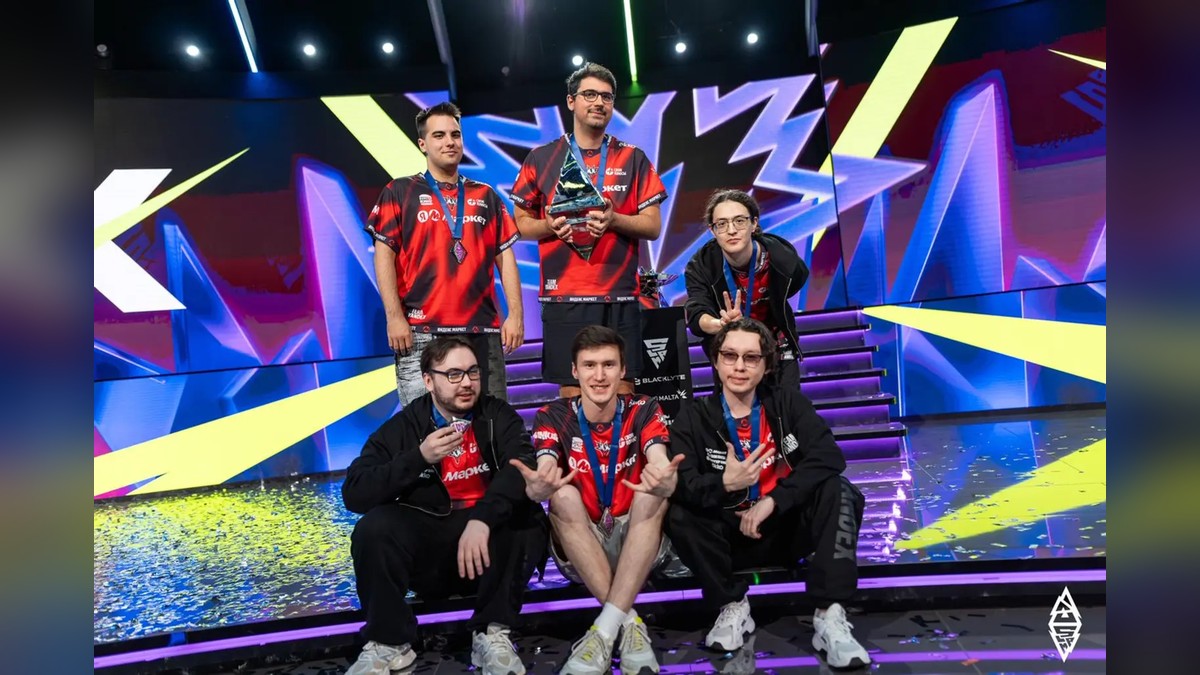
The BLAST series also gives both teams useful feedback. Team Yandex won the opener, but Spirit recovered to take the next two games. One deciding-map score cannot prove a broad transformation, yet it shows that Yatoro converted the series’ final opportunity rather than allowing the earlier defeat to define the day.
ATF placed Spirit alongside PARIVISION as one of the main tests for the new Team Yandex roster. That context makes the compliment more than casual admiration. An offlaner preparing to beat a rival has a practical reason to identify what has changed, because an outdated assumption about the lane can compromise the entire draft.
For Spirit, the praise should be read as a warning to future opponents, not a guarantee. Teams will review the same matches, adjust support pairings and test whether the improved phase survives less comfortable heroes. Maintaining the level across different drafts is more meaningful than producing it twice in practice.
Respect is useful only when it improves preparation
Public player rankings often flatten several skills into one label. ATF’s account is narrower and therefore more informative: a lane he once expected to be easy no longer feels that way. It points to a specific competitive change without pretending to settle every comparison between elite carries.
Team Yandex must now prepare for Spirit without assuming an early advantage. Spirit, meanwhile, still have to connect stronger lanes to clean mid-game decisions. BLAST Slam VIII continues through October 11, so both sides will have opportunities to show whether the lesson from scrims and the seeding series carries into higher-pressure matches.
The most credible conclusion is not that one player has permanently become number one. It is that a respected opponent detected meaningful progress and changed his preparation accordingly. In professional Dota, forcing rivals to abandon an old assumption is itself a competitive gain.
- ATF said recent scrims changed his opinion of Yatoro’s laning.
- He described the carry’s current form as the best he has personally seen.
- Spirit beat Team Yandex 2–1 in their BLAST seeding series.
- The praise is an opponent’s assessment, not an official player ranking.
| Evidence | What it supports | What it does not prove |
|---|---|---|
| Recent scrims | ATF felt the lane had improved | Public scrim results or a global ranking |
| BLAST series | Spirit won 2–1 | That every lane favoured Spirit |
| Deciding map | Yatoro delivered on Slark | Permanent superiority in every matchup |
ATF’s comments matter because they describe a changed matchup, not because they crown an unquestioned best player. Yatoro has made a direct rival rethink the lane, and Spirit converted their latest official series against Team Yandex. The playoffs will provide the harder test: reproducing that level after opponents prepare for it.
 EN — English
 RU — Русский
Comments (0)