


Published
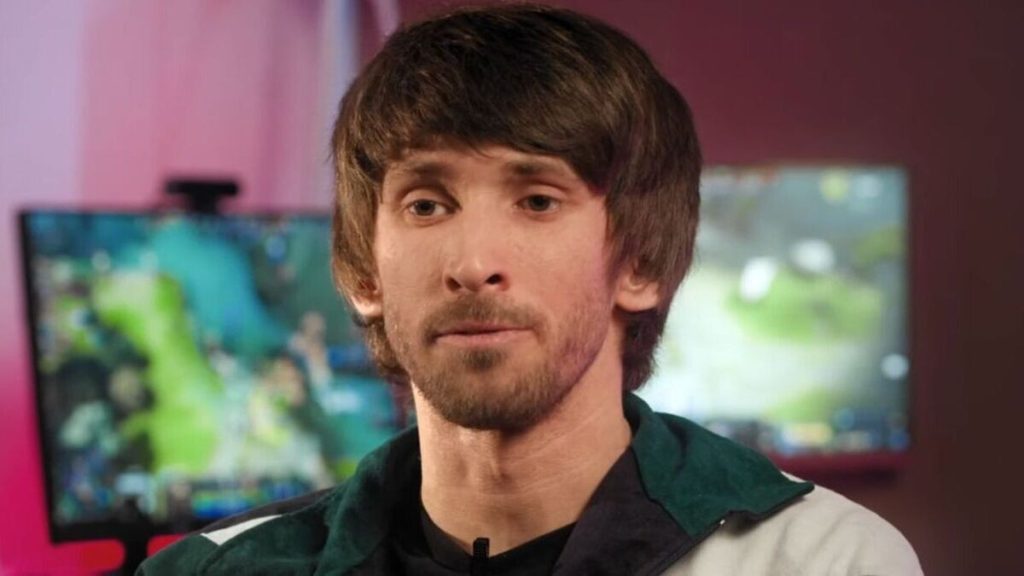
Danil “Dendi” Ishutin says he is spending more of his stream time in party matchmaking because solo queue feels increasingly dependent on teammates and vulnerable to disruptive accounts. He argued that one player can no longer carry a game as consistently as in earlier versions of Dota 2, then grouped smurfs, exploiters and cheaters among the factors that make an individual match feel like a lottery.
The statement describes Dendi’s current experience, not a measured rate of misconduct across every server or skill bracket. No supporting account statistics or detection data accompanied it. That limitation does not make the experience irrelevant; it simply changes the responsible conclusion. A veteran player has explained why his own preferred way of playing and streaming has shifted toward a coordinated party.
Dendi had previously responded positively to changes in the rating system, saying public games had become more interesting and that the new setup supported both party play and a climb toward the top ranks. The newer criticism is not necessarily a contradiction. A matchmaking update can improve incentives while individual games still feel too dependent on account quality and team coordination.
Modern Dota distributes control across five players
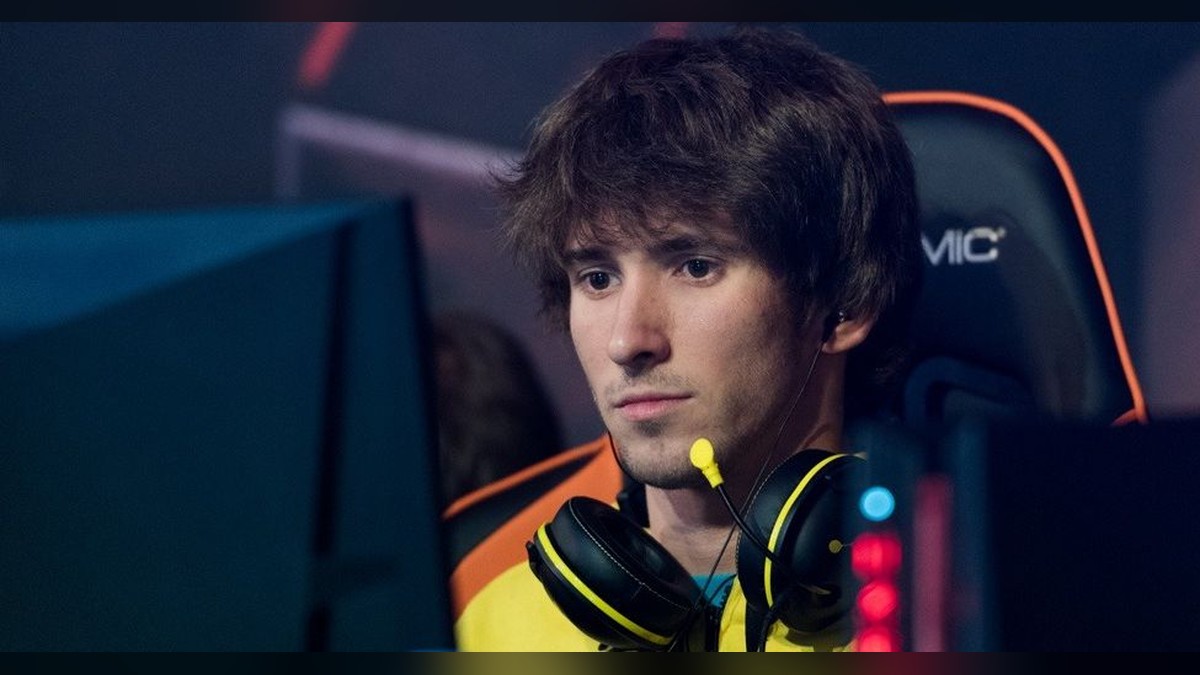
Dota has always been a team game, but patches can change how easily one exceptional core converts a lane advantage into control of the whole map. More shared resources, stronger support tools and coordinated objective play can reward the better five-player unit while reducing the number of games one player rescues alone. That may improve professional balance and still feel frustrating in a solo environment.
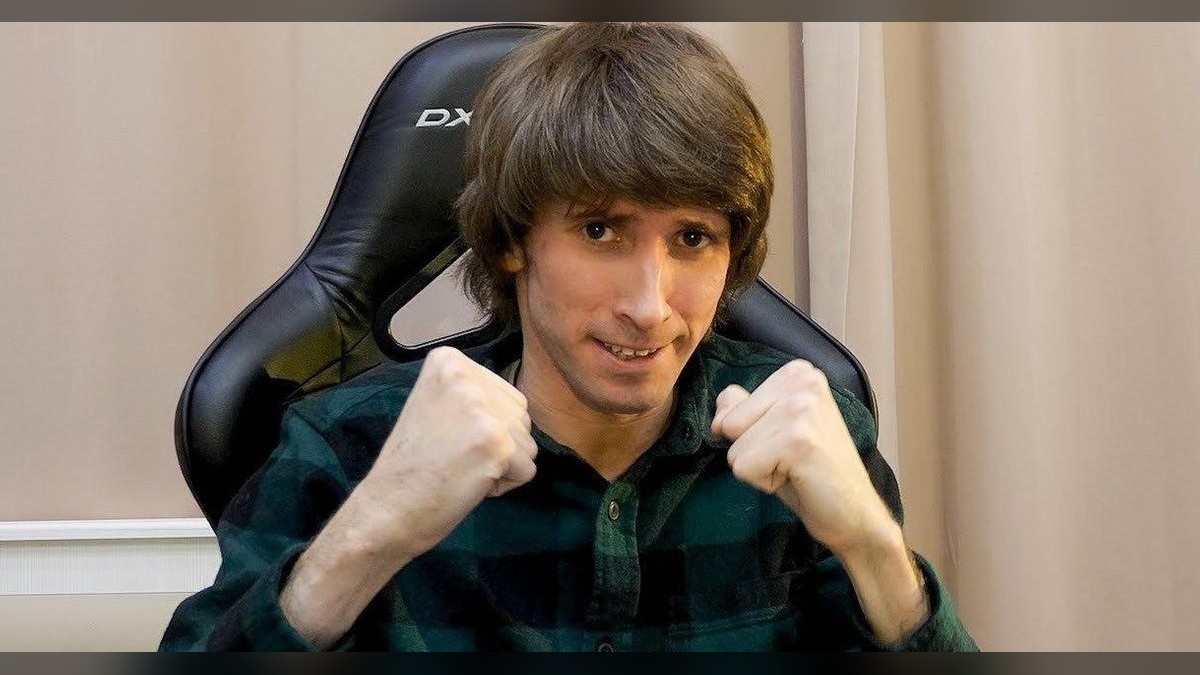
Party queue addresses part of the problem by making communication and expectations more predictable. Players can agree on roles, discuss a draft and respond to setbacks without starting every match from zero. It does not guarantee balanced opponents or eliminate mistakes, but it gives the streamer more control over the social conditions of the session.
Smurfing, abuse and cheating are separate issues and should not be collapsed into a single diagnosis. Each requires different detection and enforcement. Dendi listed them together because their effect on his experience is similar: uncertainty about whether the ten accounts in a match represent the skill and behaviour the rating system expects.
The phrase “lottery” captures that uncertainty, but should not be read literally. Matchmaking still uses ratings and rules rather than random team assignment. What feels random is the hidden information: whether a player is on an alternate account, whether communication will remain constructive and whether someone will stop participating after an early mistake.
For a broadcaster, these variables affect more than rank. A stream built around repeated hostile or low-quality games becomes less enjoyable for the player and audience. Moving to party games is therefore both a competitive preference and a content decision.
A personal solution does not resolve the system
Dendi can invite reliable teammates, but most players cannot always assemble a full party. His choice highlights the value of social tools while leaving the broader solo-queue questions open. Better behaviour enforcement, clearer account integrity checks and communication controls matter most to users who regularly enter alone.
It would be easy to turn a famous player’s frustration into proof that matchmaking is universally broken. The available evidence does not support that claim. It supports a narrower one: Dendi believes his individual agency has declined enough that party play now produces a better stream and a better game experience.
Whether Valve’s recent rating changes improve that experience over a longer period needs data beyond one statement. Dendi’s response is still useful because it identifies what success should feel like: legitimate accounts, workable communication and enough personal influence that good decisions do not seem irrelevant.
- Dendi said solo games now feel more dependent on team coordination.
- He named smurfs, exploiters and cheaters as sources of uncertainty.
- He currently prefers streaming Dota in a party.
- His comments describe personal experience rather than a platform-wide measurement.
| Issue raised | Immediate effect | What evidence is still needed |
|---|---|---|
| Higher team dependence | Less perceived solo control | Patch-level performance analysis |
| Questionable accounts | Uncertainty about match quality | Detection and enforcement data |
| Party preference | More predictable coordination | Long-term comparison across queues |
Dendi’s answer is not a complete audit of Dota 2 matchmaking, but it explains a meaningful behaviour change. He now values the predictability of a party over the independence of solo queue. The challenge for Valve is making coordination rewarding without leaving solo players convinced that too much of every match is outside their control.
 EN — English
 RU — Русский
Comments (0)