


Published
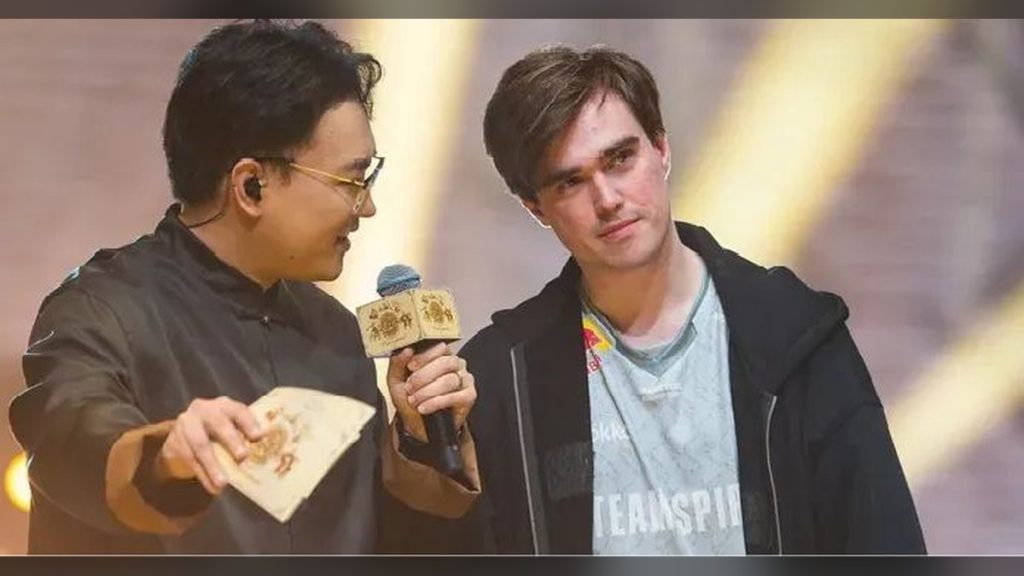
Sergey “G” Bragin believes Team Spirit cannot simply replace Yaroslav “Miposhka” Naidenov with another coach and expect the same identity to continue unchanged. Discussing Ilya “Illidan” Pivtsaev’s appointment, G described Miposhka as the heart of Spirit and linked him to the recognisable hero combinations the team developed over several years. The comment is praise for a long-term influence, not a verdict that the revised roster is unable to succeed.
Miposhka’s importance is difficult to reduce to one draft or one title. G’s point was that viewers could look at Spirit’s combinations and recognise a familiar approach. That kind of identity grows through repeated decisions: which heroes are trusted, how lanes are supported and how the team responds when a plan fails. A new coach can study those patterns, but reproducing them exactly would not preserve the circumstances that created them.
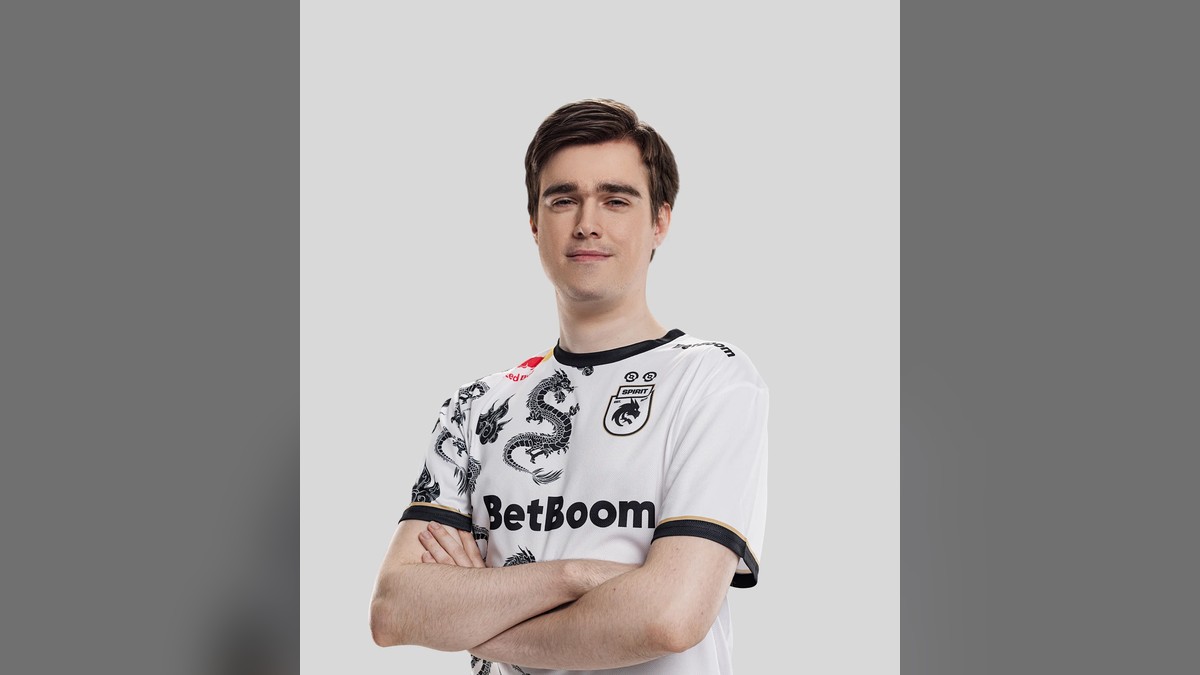
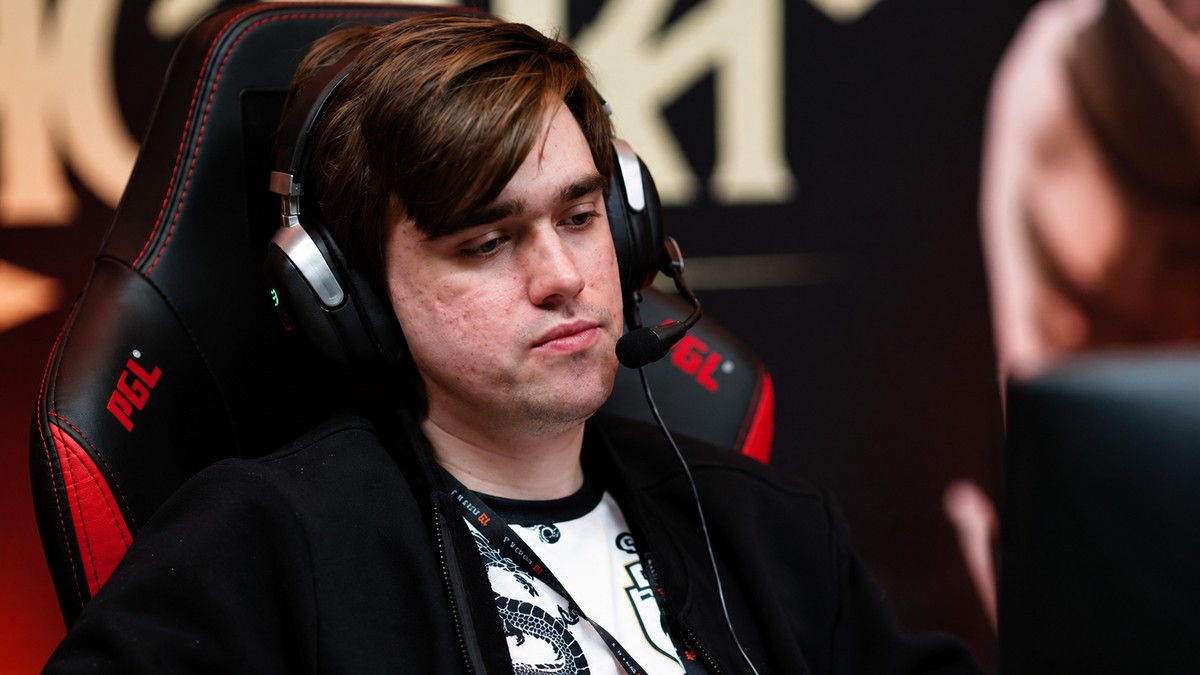
The distinction matters for Illidan. He took the coaching position on September 21 after Miposhka stepped away, while offlaner Magomed “Collapse” Khalilov also left the active lineup and Bogdan “Batyuk” Batyuk joined in his place. Spirit is therefore changing both the person guiding preparation and one of the five players executing it. Judging every difference as a coaching failure would ignore the wider transition.
A legacy is larger than a job title
G did not argue that no one else can perform the practical work of coaching. His claim was more specific: no individual can arrive and become Miposhka, because the former captain and coach helped define what Spirit’s Dota looked like. The team’s classic combinations carried the history of particular players learning one another’s timing. Even a strong successor has to build authority through his own decisions.
That gives Illidan two competing responsibilities. He must protect useful habits that remain relevant, while also making room for Batyuk and the current players to contribute ideas suited to the new lineup. Copying old drafts without the same communication would be imitation rather than continuity. Removing every familiar element would create disruption for its own sake. The sensible middle ground can only be tested through matches and review.
Spirit’s appearance at BLAST Slam VIII provides the first public evidence for that process. Early results can show how the team drafts and communicates, but they cannot settle a long-term comparison after one series. Miposhka’s influence was built across years. Illidan’s work should be assessed across a meaningful run of preparation, adaptation and tournament pressure rather than against an instant demand to match a decorated predecessor.
G’s wording also explains why personnel changes affect supporters differently from ordinary role swaps. Fans recognise not only names but patterns: patient map movement, trusted pairings and the confidence to return to a familiar idea. When the person associated with those patterns leaves, uncertainty is natural. It remains important to distinguish that emotional response from a factual claim about the new coach’s ability.
What the first matches can actually show
The useful questions are concrete. Does the revised team establish clear responsibilities around Batyuk? Are drafts coherent rather than merely familiar? Can players discuss mistakes without losing confidence in the new process? Those signs reveal whether Spirit is developing a functioning identity, even if it does not look exactly like the previous version.
G’s assessment sets a high standard because it recognises what has been lost. It should not become an impossible standard under which any change is treated as decline. Illidan is replacing Miposhka in the official role, not in the team’s history. His task is to help the current five build the next version of Spirit from the experience that remains.
- G described Miposhka as the heart of Team Spirit’s long-term identity.
- Illidan replaced Miposhka as coach on September 21.
- Batyuk also entered the active lineup after Collapse stepped away.
- BLAST Slam VIII supplies the first match evidence for the revised structure.
| Question | What is confirmed | What remains open |
|---|---|---|
| Past identity | G links it strongly to Miposhka | Which habits will remain |
| New coach | Illidan holds the role | How his approach develops |
| Competitive test | Spirit is playing at BLAST | Long-term results and cohesion |
G’s point is persuasive because it separates succession from substitution. Team Spirit can appoint a new coach, but it cannot recreate years of shared experience with one announcement. Miposhka’s legacy is part of the team’s foundation; Illidan’s opportunity is to use that foundation without pretending the new roster is unchanged.
 EN — English
 RU — Русский
Comments (0)