


Published
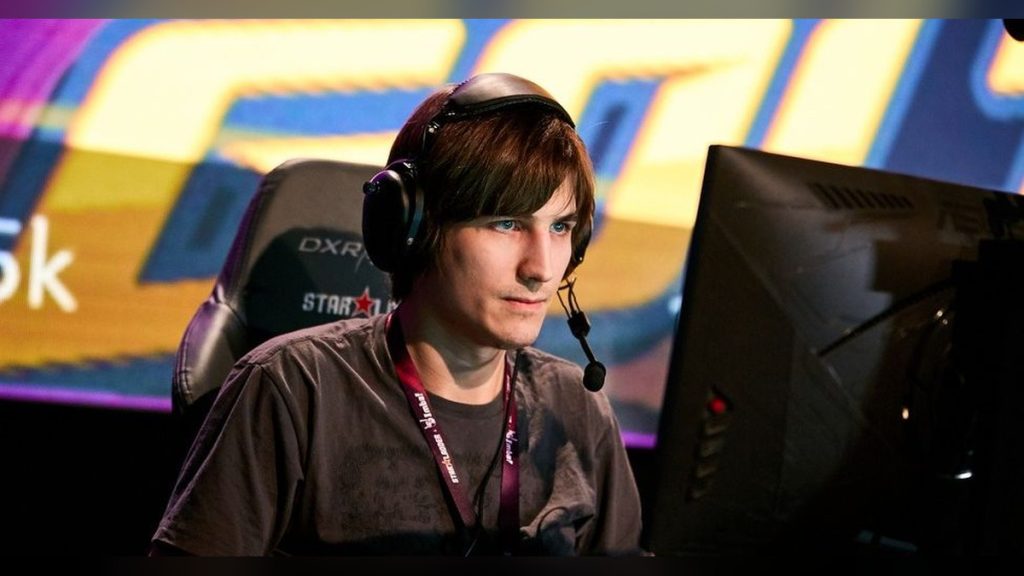
Ilya “Illidan” Pivtsaev says becoming a coach was his main goal after his playing career ended, and that leading Team Spirit now feels like the highest honor available to him in esports. Speaking during the official BLAST Slam VIII broadcast, Illidan described the appointment as the continuation of a plan rather than a sudden return to competition. He also rejected the idea that replacing an important figure after a championship must prevent him from working freely.
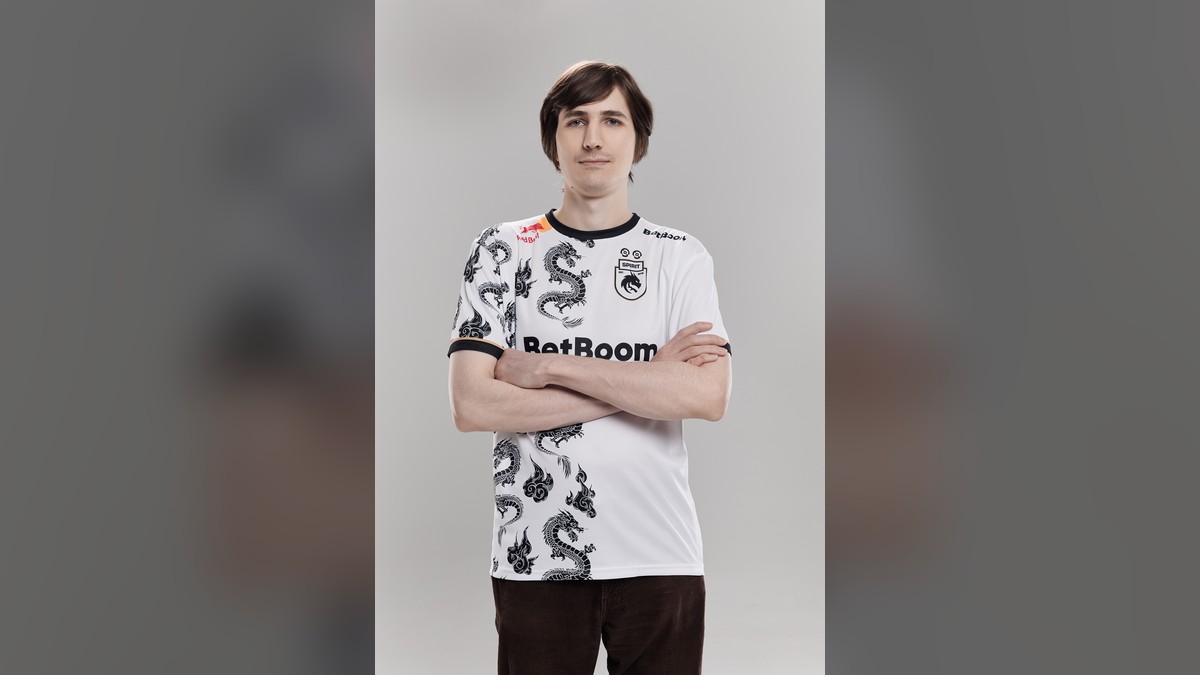
Illidan competed professionally from 2012 to 2020 and represented Team Spirit during three separate periods: in 2016, from 2017 to 2018, and again in 2019. After leaving active competition, he moved through coaching, streaming and academy work. On September 21, 2026, Spirit named him coach of the main Dota 2 roster in place of Yaroslav “Miposhka” Naidenov. The sequence gives his return both personal history and a clear professional direction.
He said the desire to remain part of esports was the strongest reason to keep working in the field. Coaching offered a role that kept him close to competition without pretending his playing career was still active. Spirit also was not an unfamiliar badge added at the end of that transition. His earlier years with the organisation mean the appointment reconnects him with a club he already knew from the player side.
A difficult succession without borrowed pressure
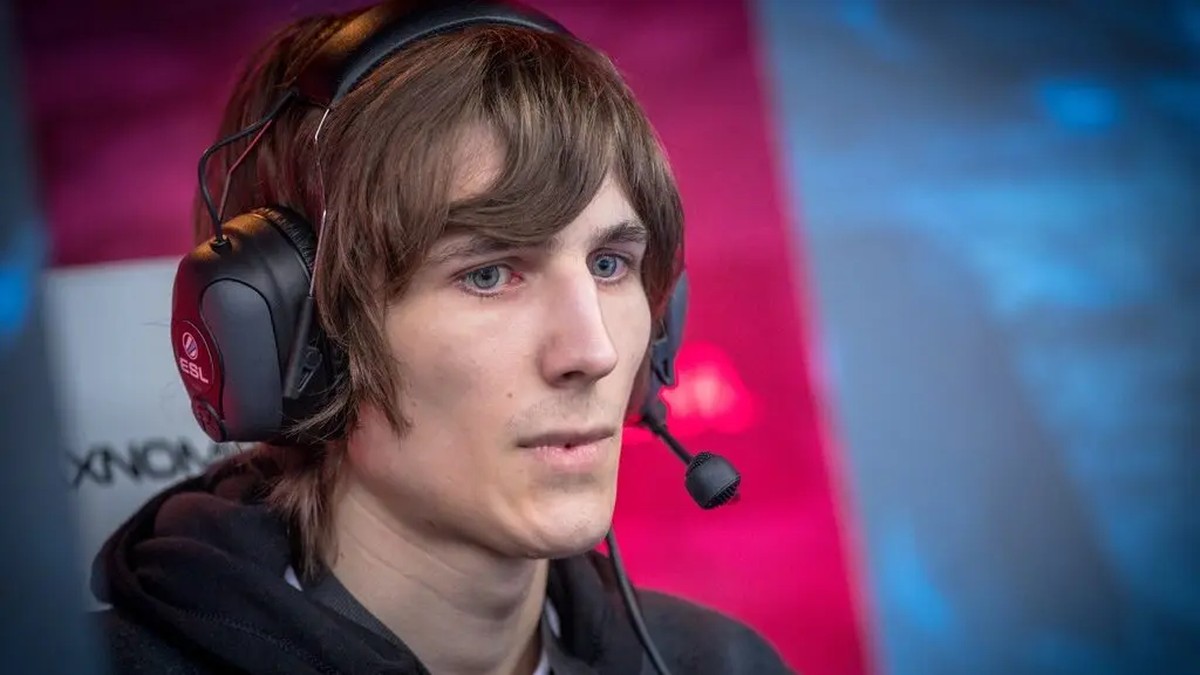
The timing makes the role demanding. Spirit had just won The International 2026 before Miposhka stepped away, while offlaner Magomed “Collapse” Khalilov also took a break and Bogdan “Batyuk” Batyuk entered the lineup. Illidan therefore inherited a champion team whose working structure was changing in more than one place. He is not merely preparing five unchanged players under a different title.
Asked whether that context created extra pressure, Illidan returned to a simple standard: do everything within his power. If the work is good enough, he believes the situation should develop properly. If it is not, the conclusion may be that the time or place is not right yet. The answer does not deny the size of the task. It refuses to let uncertainty become an excuse before the work has been tested.
That mindset also protects the current roster from an impossible comparison. Miposhka’s influence was accumulated across years of shared drafts, communication and championships. Illidan cannot reproduce that history by copying a few visible habits. His responsibility is to help the available players prepare, identify useful ideas and build a structure they can execute now. Respect for the predecessor and confidence in the successor can exist together.
BLAST Slam VIII supplies the first public evidence for the new arrangement. Even then, match results cannot complete an evaluation of Illidan’s coaching, because preparation is only one part of what viewers see the players execute. The event can show whether the changed group develops clear drafts and responsibilities, while the deeper coaching process remains largely inside the team.
The role suits the career he chose
Illidan’s story is not simply that a former carry became a coach. The important point is intention. He wanted the role, spent time around Spirit as a streamer and academy coach, and now accepts responsibility at the most demanding level of the organisation. That path is more stable than treating coaching as a temporary substitute for playing.
His idea of freedom also deserves attention. Freedom in a champion team does not mean avoiding review or ignoring established standards. It means being able to act as himself while meeting them. Illidan has framed success around preparation and honest limits: give the role everything available, judge the result when there is evidence, and do not invent certainty before the matches are played.
- Illidan played professionally from 2012 through 2020.
- He represented Team Spirit in three earlier periods as a player.
- Spirit appointed him main-roster coach on September 21, 2026.
- He says coaching had been his principal goal after retiring from play.
| Career stage | Confirmed role | What it added |
|---|---|---|
| 2012–2020 | Professional player | Top-level competitive experience |
| Later Spirit work | Streamer and academy coach | A route back into the club structure |
| From September 21 | Main-roster coach | Responsibility after the TI 2026 title |
Illidan has entered one of Dota’s least forgiving jobs at the moment he wanted it most. He cannot promise that effort will reproduce Spirit’s previous era, and he does not try. His case is that coaching is where he intended to be, Spirit is where he is proud to do it, and the only useful response to pressure is complete preparation.
 EN — English
 RU — Русский
Comments (0)