


Published
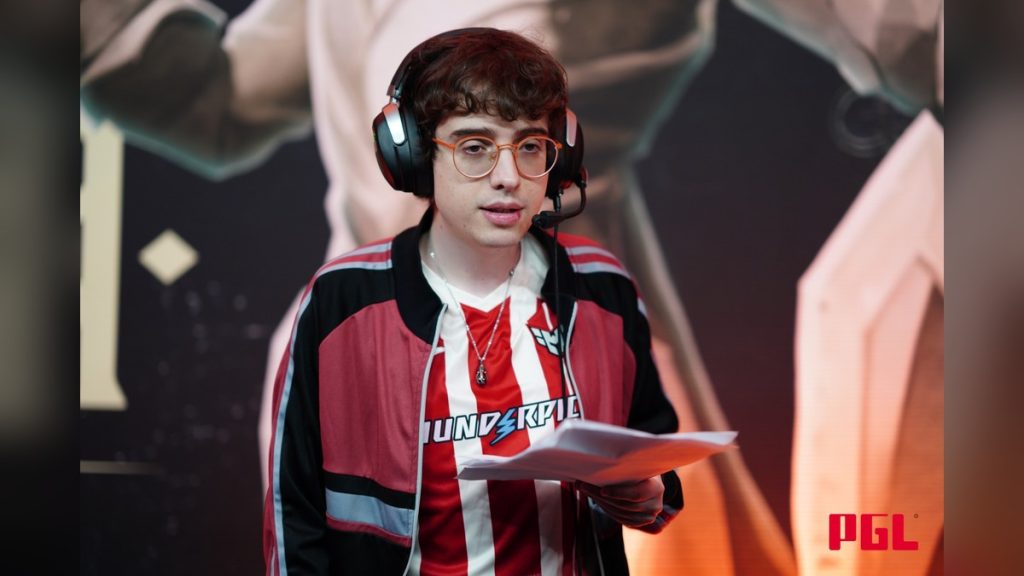
OG coach Igor “Kaffs” Furtado says the organization’s rebuilt Dota 2 roster is in good shape, but he is deliberately refusing to turn encouraging practice into a promise. The players are still learning one another’s habits, which means their games can move between confident coordination and visible disorder. His assessment before BLAST Slam VIII is optimistic without pretending that a new lineup already has a finished identity.
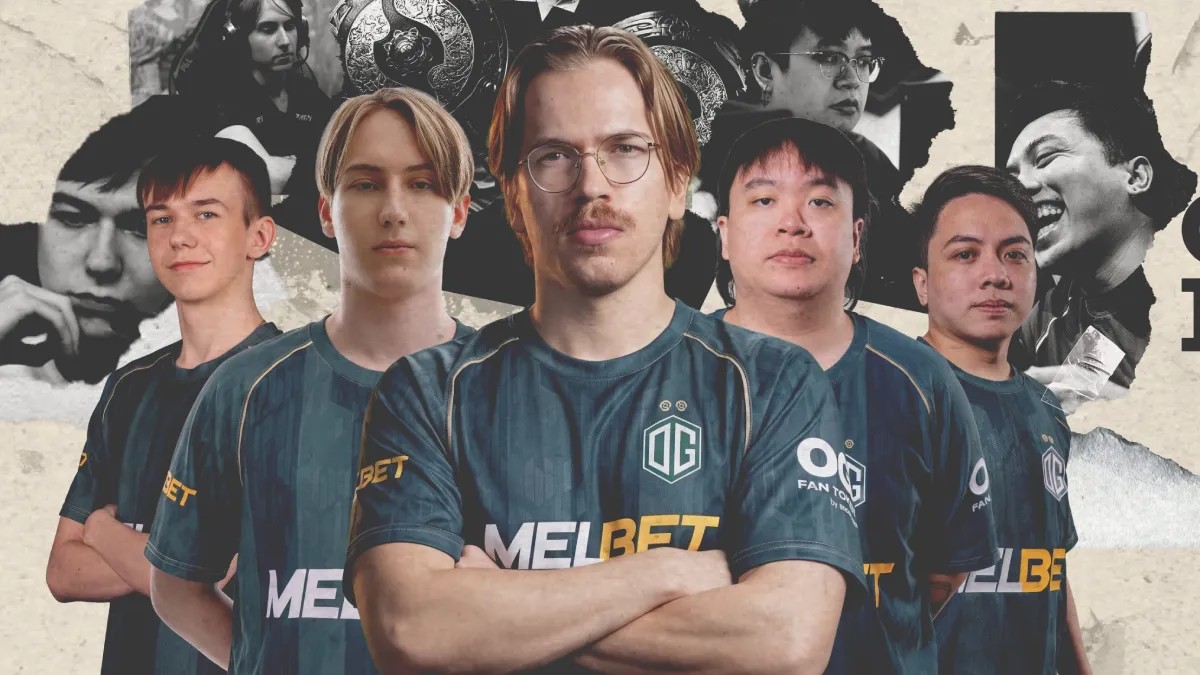
That distinction matters for an OG project bringing together Topson, Natsumi-, skem, SSS and OneJey. A roster can share mechanical skill immediately, yet still need weeks of repetition to decide who speaks first, which risks are acceptable and how the team responds when the original draft plan fails. Kaffs described the preparation as productive while acknowledging that unfamiliarity still creates chaotic moments.
Scrim results are not public competition, and Kaffs did not present them as proof of a future placement. Practice can show whether ideas are developing, but it also allows resets, experiments and incomplete drafts that would be punished on stage. The useful information is therefore the team’s direction: the coach sees progress, not a guaranteed trophy run.
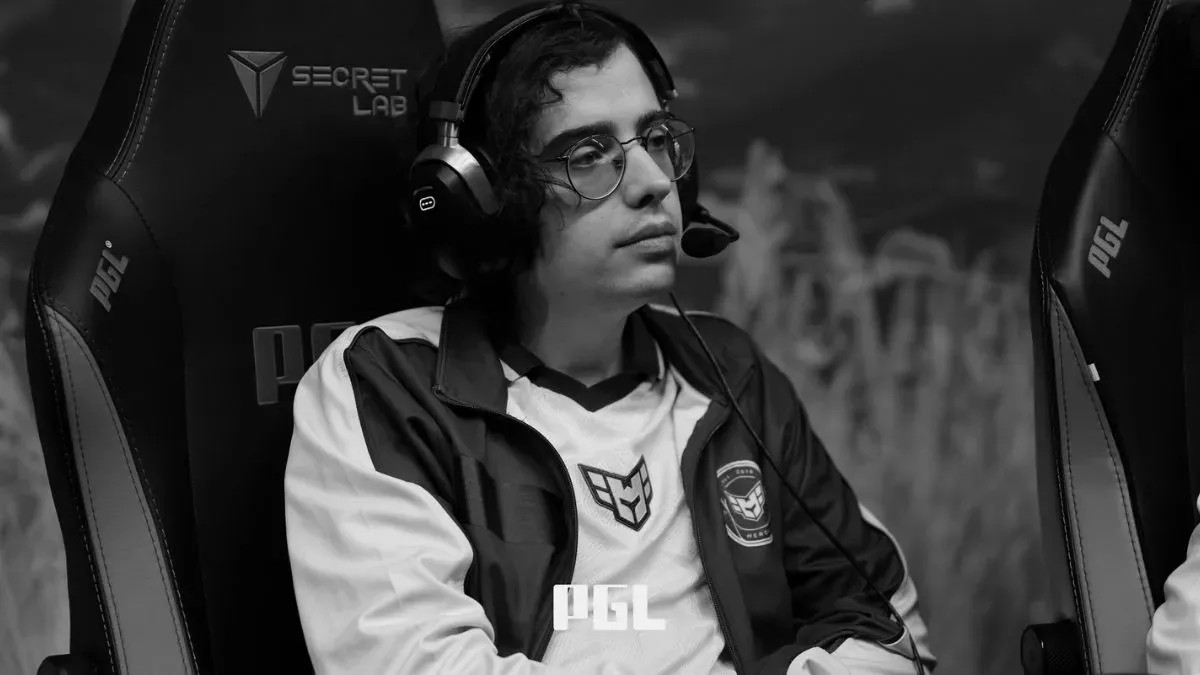
New rosters need a common rhythm before a fixed style
OG’s players arrive with different habits about tempo and responsibility. Topson is known for unconventional mid-lane choices and early map pressure, while the supporting structure must decide when to follow that pressure and when to protect Natsumi-‘s carry timing. Those labels do not settle the system. The roster still has to create repeatable rules that work when the draft changes.
Communication is only one part of that process. Teammates also learn the small decisions that rarely appear in a strategy document: whether a missing hero is dangerous enough to cancel a move, how much farm a support may take before an objective, or which player is allowed to make the final call in a losing fight. When those assumptions differ, a game looks chaotic even if every individual idea is reasonable.
Kaffs’ cautious tone protects the work from premature conclusions. If OG begin well, the result can be treated as evidence that the foundation is useful. If they struggle, the team can identify a specific failure instead of treating one series as proof that the roster concept is wrong.
The coach also has to balance experimentation with the need to establish dependable combinations. Trying too many approaches can delay an identity; narrowing the playbook too early can make the team predictable. BLAST provides meaningful opponents and official pressure, giving OG information that closed practice cannot reproduce.
The most revealing signs will not be highlight plays. Viewers should watch whether OG recover after losing lanes, whether supports arrive together for the same objective and whether the roster can change pace between games. Those patterns show that five players are becoming a unit rather than relying on isolated talent.
Good form is a checkpoint, not a forecast
Kaffs is right to avoid a placement prediction. Early confidence often reflects a useful practice block, but opponents rapidly study successful drafts and force a new team into less comfortable decisions. Sustainable form requires answers after the first plan has been exposed.
OG’s public name also raises expectations faster than a normal rebuild would. That pressure can encourage dramatic judgments after every map. A more accurate standard is gradual: cleaner communication, fewer unforced timing errors and a broader set of drafts that the players can execute together.
The coach’s message is therefore neither an excuse nor a boast. OG believe the roster is moving in the right direction, and they accept that uncertainty remains. BLAST Slam VIII will not finish the development process, but it can show which parts of the new structure already survive official play.
- Kaffs says the rebuilt OG roster is currently in good form.
- The players are still learning one another’s habits and calls.
- Practice has been encouraging, but it is not a public result.
- The coach declined to convert early progress into a placement promise.
| Development area | Current condition | Useful match signal |
|---|---|---|
| Communication | Still being aligned | Players move toward the same objective |
| Team identity | Promising but unfinished | Drafts retain a recognisable plan |
| Pressure response | Not fully tested | The roster recovers after a lost lane |
Kaffs has given OG a sensible early standard: build reliable decisions before selling a finished story. The roster appears healthy in practice, but its occasional chaos is a natural cost of learning. Official matches will matter because they reveal whether that progress remains visible when opponents remove the comfortable options.
 EN — English
 RU — Русский
Comments (0)