


Published
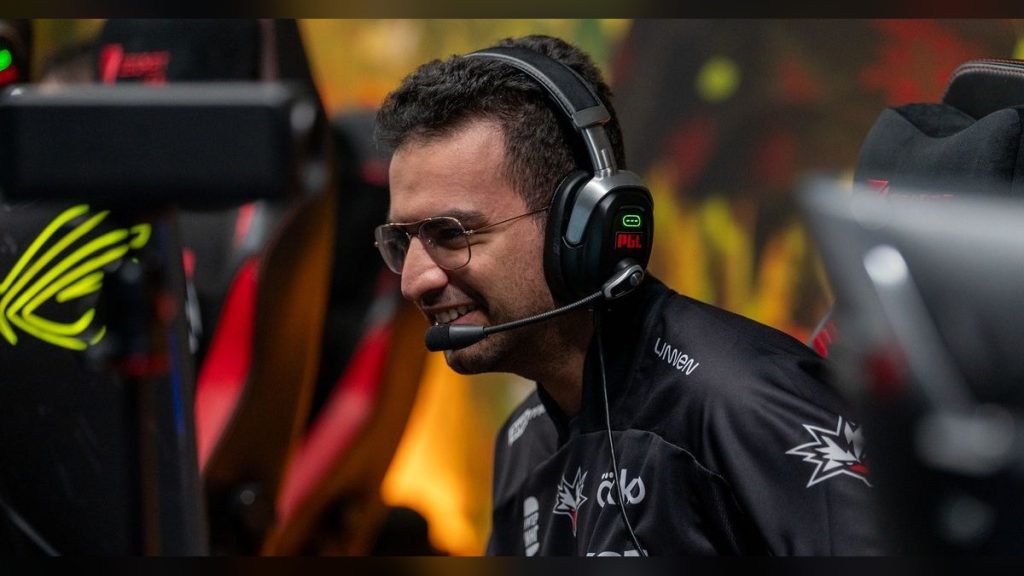
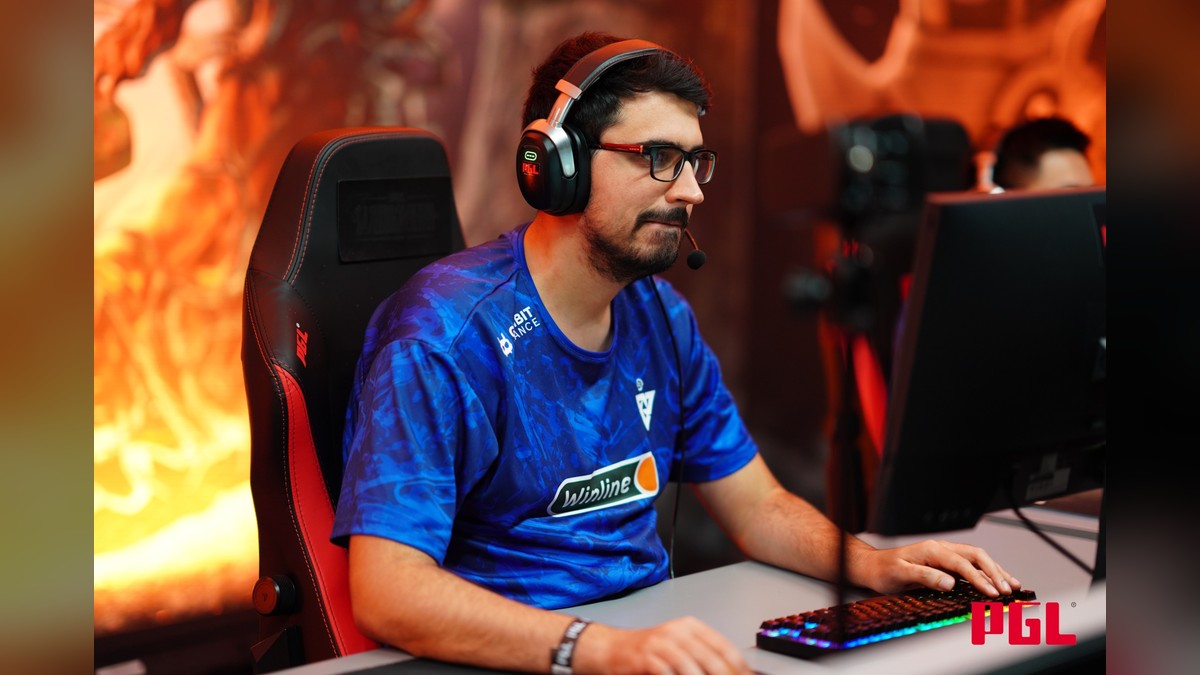
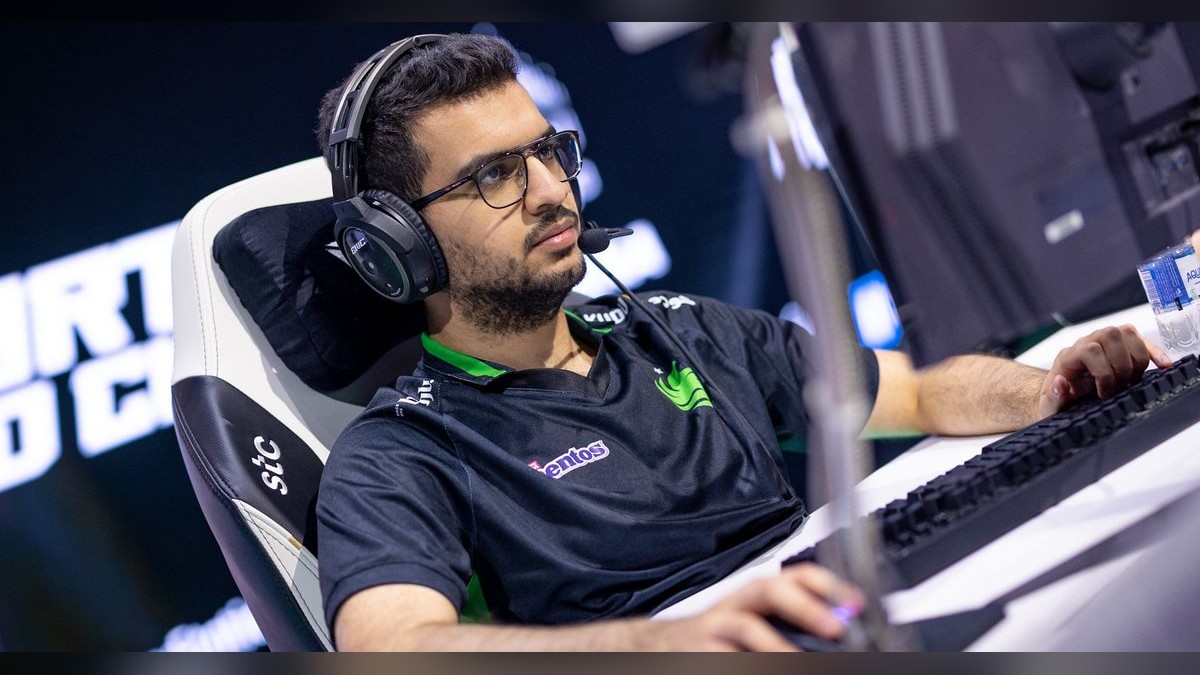
Martin “Saksa” Sazdov says Ammar “ATF” Al-Assaf has changed Team Yandex’s offlane through exceptional laning detail, a broad hero pool and confidence in his own decisions. Comparing ATF with former offlaner Dmitry “DM” Dorokhin during PGL Wallachia Season 9, Saksa focused on how the new teammate plays and communicates. His answer was not a dismissal of DM’s career; it identified the qualities Team Yandex are learning to use after the roster change.
Saksa’s strongest praise concerned the laning stage. He described ATF as perhaps the best laning offlaner in the game, a narrower claim than calling him the best offlaner overall. The distinction matters because Saksa immediately supported it with small lane actions: knowing when to re-aggro creeps, when to secure a last hit and when to deny. These repeated decisions create an advantage before larger team movements begin.
He also emphasised clarity. In Saksa’s account, ATF knows what he wants to do in a match and communicates that plan with confidence. A position-four player works closely with the offlaner, so uncertainty in the lane can spread into rotations and resource decisions. Saksa said ATF’s certainty makes the game easier for him, connecting individual skill with the practical coordination of the lane partnership.
A larger pool expands the draft
The comparison extended beyond mechanics. Saksa believes ATF has a sufficiently large hero pool to support unexpected ideas. He cited a recent draft in which Saksa played Earth Spirit while ATF received Viper. The example is useful because it shows what flexibility means inside this roster: Team Yandex can redistribute familiar responsibilities or build a lane that an opponent may not expect from the two positions.
A single unusual pairing does not prove that every experimental draft will succeed. It does show that Saksa sees more than a fixed specialist beside him. Hero flexibility gives the drafting team options, while ATF’s clear view of how he wants to play helps translate those options into lane execution. The combination, rather than either quality alone, is the change Saksa presented most positively.
PGL Wallachia Season 9 is Team Yandex’s first tournament with ATF. At the time of the interview, the lineup had reached the upper-bracket final against LGD Gaming. That progress supplies an early competitive setting for Saksa’s assessment, but it should not be used to assign every victory to the offlane substitution. Results belong to the full team, and one tournament cannot settle whether a roster move will remain successful across a season.
The timing nevertheless makes the comments valuable. Saksa is not describing a hypothetical fit before practice begins; he is reporting what he has noticed while playing official matches. His examples come from lane mechanics, a real draft and in-game communication. Those are more concrete than a general claim that the new roster feels stronger, even though they remain one teammate’s evaluation.
How ATF and DM differ in this account
Saksa answered a direct question about the difference between ATF and DM, but most of his detail concerned what ATF adds. He did not provide the same itemised criticism of DM, and the article should not invent one. The supported comparison is asymmetric: ATF brings a lane style Saksa rates extremely highly, precise preferences and confidence that simplifies their cooperation.
That is enough to explain the early adjustment without turning the interview into a verdict on both players. DM remains the predecessor who defines the roster change; ATF is the player whose current behaviour Saksa could describe from fresh experience. Future tournaments will show how those qualities hold up against different lanes and drafts.
- Lane detail: ATF focuses on creep aggro, last hits and denies.
- Draft flexibility: Saksa highlighted ATF’s broad hero pool and the Earth Spirit-Viper example.
- Communication: ATF’s confidence gives Saksa a clearer plan beside him.
| Area | Saksa’s assessment | What it does not establish |
|---|---|---|
| Laning | ATF may be the strongest laning offlaner | A ranking of complete careers |
| Hero pool | Supports unexpected draft ideas | That every experiment will work |
| Calls | Clear and confident about his plan | That one player directs the whole team |
| Tournament context | First Team Yandex event with ATF | Long-term roster success |
Saksa’s comparison is persuasive because it stays specific. He values ATF’s small lane decisions, the draft options created by his hero pool and the certainty he brings to communication. Wallachia provides the first official evidence of that partnership, while the rest of the season will determine how durable its advantages are.
 EN — English
 RU — Русский
Comments (0)