

Published
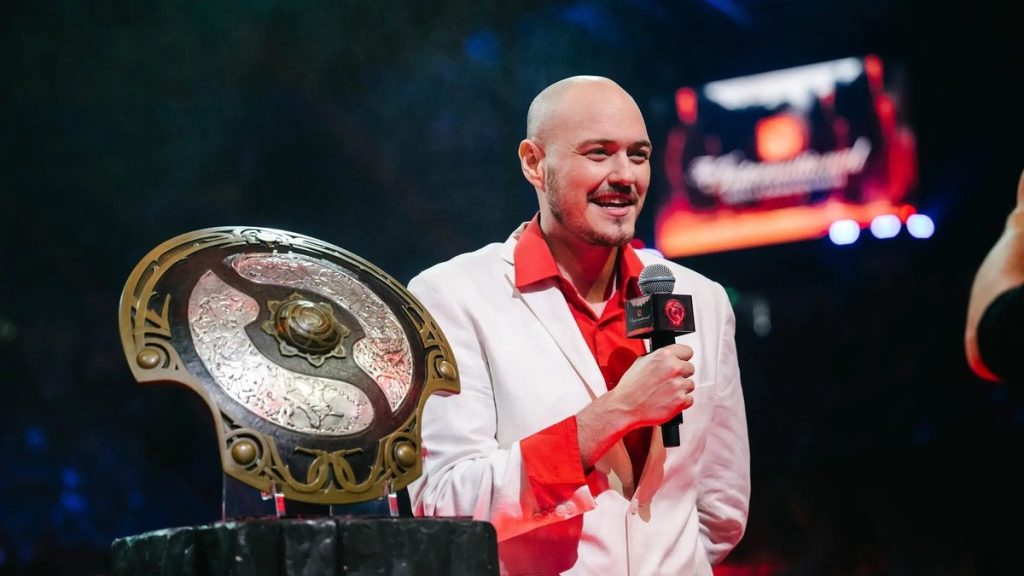
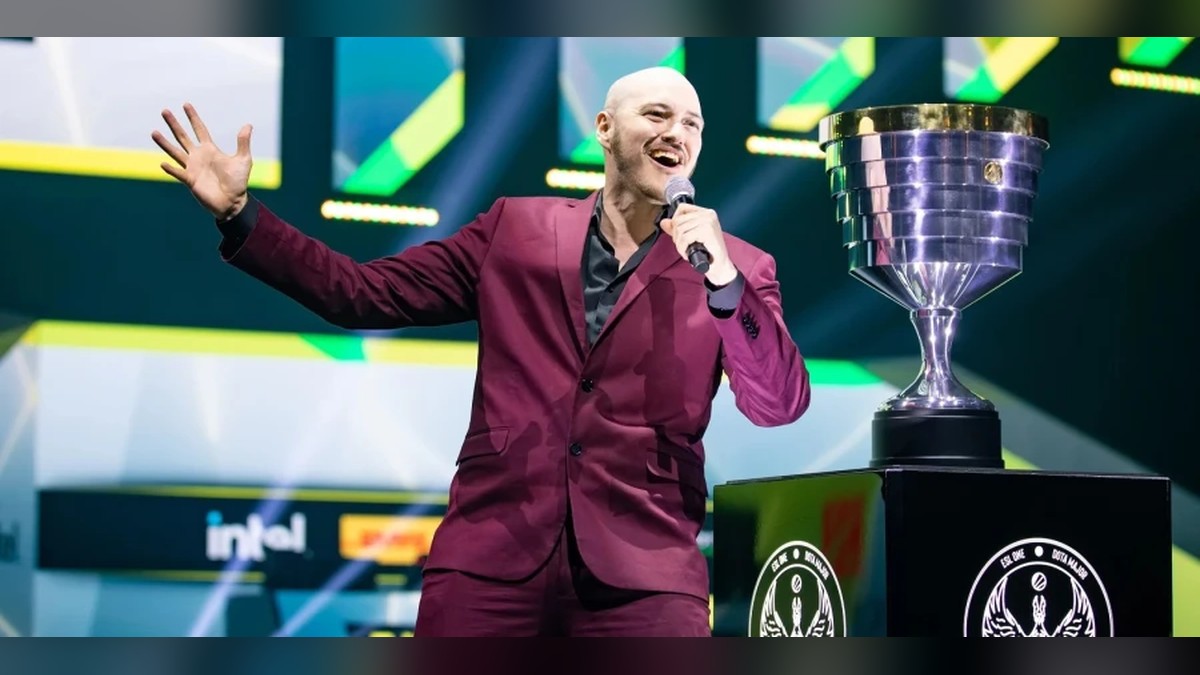
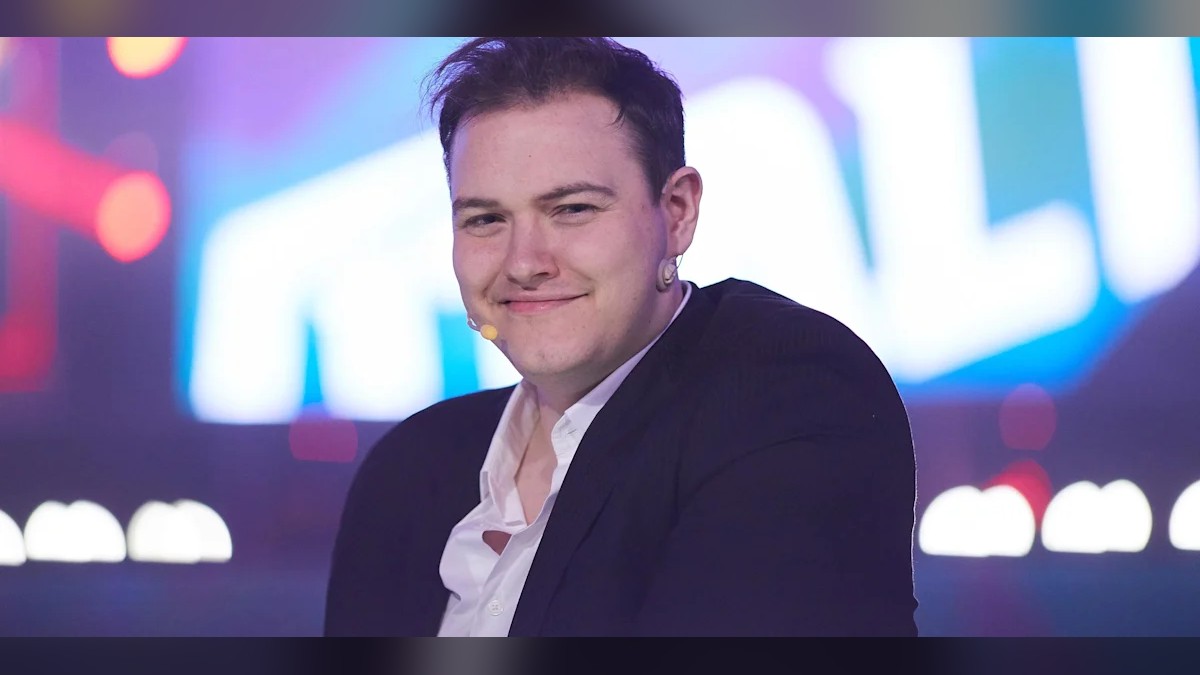
Jake “SirActionSlacks” Kanner believes Dota 2’s post-International balance changes have not done enough to disrupt professional drafts. Reviewing PGL Wallachia Season 9, he singled out Ember Spirit, Earth Spirit, Lone Druid and Bounty Hunter as familiar high-impact names and asked Valve for stronger nerfs. His frustration is colourful, but the underlying point is precise: a patch can alter numbers without changing which problems teams must solve first.
Patch 7.41f arrived after The International 2026 and reduced the strength of several popular heroes and items. At Wallachia, some heroes appeared frequently as picks while others exerted pressure through bans. The reviewed tournament statistics named Dark Willow, Hoodwink and Mirana among the most selected heroes, while Earth Spirit, Bounty Hunter and Lone Druid were banned in a large share of drafts.
Those are different forms of relevance. A hero that is constantly banned may appear rarely on the stage, yet still dictates preparation and removes an early drafting choice. SirActionSlacks’ complaint is therefore not contradicted by a lower pick total. His argument is that teams still respect the same strategic threats that shaped the previous major event.
A meta survives when draft priorities survive
Balance patches do not need to erase every established hero. Stability can reward teams that learned a system well. The problem comes when the safest first-phase choices, automatic bans and core game plans remain too similar for too long. Then a new patch produces surface variation without demanding new strategic answers.
Earth Spirit offers mobility and initiation, Bounty Hunter changes the information and economy game, and Lone Druid can pressure lanes and objectives through a durable two-unit core. Their exact value depends on the patch and matchup, but each can force an opponent to account for a distinctive plan. If teams prefer removing that plan rather than playing into it, the ban phase records the hero’s influence.
SirActionSlacks did not present a complete balance proposal. He called for heavier action, not a specific set of numerical changes. That distinction matters: the statement reflects a viewer and host assessing variety, while developers must consider public matchmaking, professional play and unintended interactions together.
His review also praised the second game of the Wallachia grand final between NAVI and Team Yandex as the event’s most competitive map. He highlighted Niku’s Lina and Sun Strikes while describing Yandex as operating at another level across the playoffs. That recommendation shows what he wants from the meta: room for teams and individual decisions to create a match worth studying, rather than drafts that feel predetermined by a familiar shortlist.
SirActionSlacks also discussed Valve’s work on Deadlock and rejected the simplest version of the claim that Dota has been abandoned. He pointed to recent client content and ongoing patches, while still asking for more developer attention to the competitive hero pool. The position is critical without assuming that no work is happening.
The next patch needs different questions, not only lower numbers
A meaningful shift becomes visible when captains must reconsider opening bans, supports practise new lane combinations and cores change their preferred timings. Reducing a win rate by a small amount may not achieve that if the hero’s strategic package remains uniquely useful. Conversely, one targeted mechanical change can reshape drafts without a long list of nerfs.
Tournament data after one event should not dictate balance alone. Teams copy successful approaches, and early competitions can exaggerate familiar strategies because there has been little time to develop alternatives. More matches reveal whether the apparent stability is temporary adaptation or a genuine lack of variety.
SirActionSlacks’ intervention is best understood as a demand for a fresh competitive puzzle. He is not asking Valve to make proven heroes unplayable forever. He wants a patch strong enough that the next event is not solved by repeating the same first questions from TI.
- SirActionSlacks said patch 7.41f did not sufficiently break the TI meta.
- He named Ember Spirit, Earth Spirit, Lone Druid and Bounty Hunter.
- Wallachia drafts showed both pick popularity and heavy ban pressure.
- He still acknowledged that Valve continues to patch and add client content.
| Draft signal | What it can mean | Why it matters |
|---|---|---|
| Frequent pick | Teams can execute the hero reliably | The strategy appears directly in games |
| Frequent ban | Opponents reject the strategic risk | The hero shapes drafts without being played |
| Post-patch repetition | Old answers remain efficient | Variety may be smaller than patch notes suggest |
SirActionSlacks’ language is deliberately dramatic, but his test for patch 7.41f is reasonable: did teams have to solve new problems? Wallachia still showed strong respect for several TI-era staples. Valve’s next balance move will be judged less by the number of changes than by whether opening drafts finally look different.
 EN — English
 RU — Русский
Comments (0)