


Published
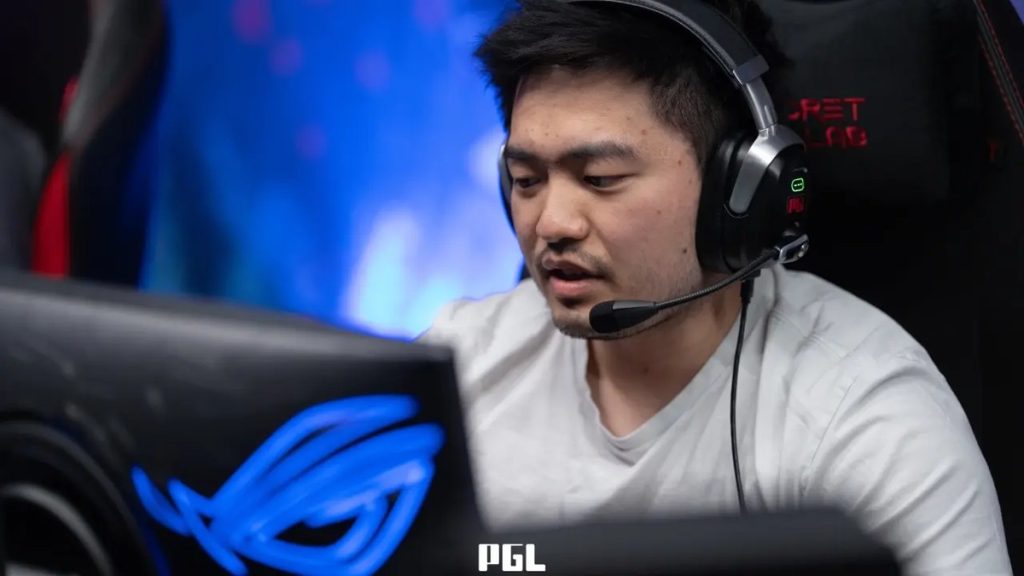
Wu “Sneyking” Jingjun says LGD Gaming’s main early challenge is not finding individual ideas but combining them into one playable system. The rebuilt roster includes players from different competitive backgrounds, cultures and languages, and the support estimates that game understanding carries more weight than communication only when every teammate reads the same situation. Until that point, clear calls are what keep five good players from becoming five separate plans.
Speaking during BLAST Slam VIII, Sneyking described a gradual language adjustment. Some teammates are not fully comfortable in English, but communication is improving with time. He placed the ideal balance at roughly 70 percent understanding of the game and 30 percent communication, then immediately explained why the second part remains necessary: LGD are not yet a team in which everyone automatically identifies the same best move.
His practical rule was more useful than the percentages. Even when a call is not theoretically perfect, five players acting together can produce a better result than individuals pursuing different superior-looking ideas. Coordination turns a decision into timing, target focus and map movement. Without it, correct reads can cancel one another.
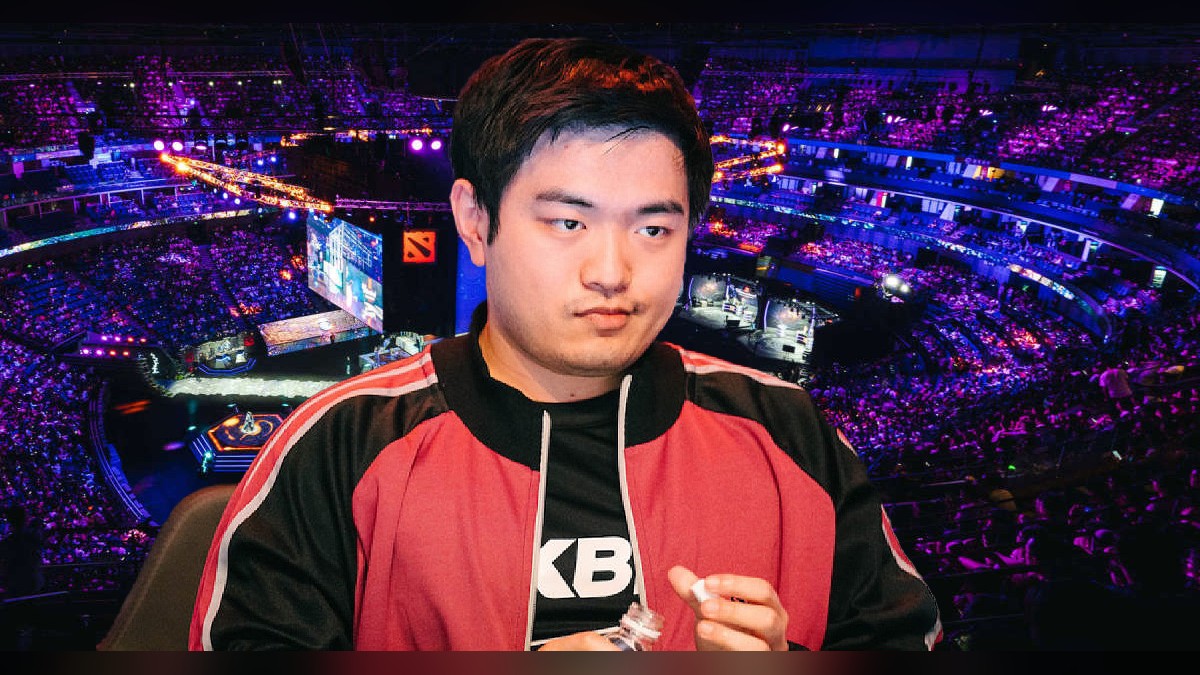
LGD are building a shared model, not translating every second
Language matters most when a team must compress information. Players cannot narrate an entire fight; they need common shorthand for which area is safe, whose cooldown matters and whether the next action is pressure or retreat. Repetition gives those words a shared meaning, reducing the amount that must be spoken under stress.
The roster’s varied backgrounds can become an advantage after that foundation exists. Different teams teach different ward patterns, lane priorities and approaches to risk. LGD can select the strongest parts rather than inherit one rigid system. During the early stage, however, variety creates disagreement faster than it creates depth.
Sneyking’s comments also explain his use of Winter Wyvern. He credited Malady’s example and the success of Team Yandex, saying strong teams naturally influence what others study and copy. This is not blind imitation. A team first identifies a proven hero, then tests whether its own lineup can reproduce the conditions that make the pick effective.
The support singled out carry Wits for remaining calm and continuing to find farm even after a difficult lane. In Sneyking’s view, Wits does not let early deaths turn into frustration and worse decisions. That resilience is valuable in a new roster because a carry’s recovery route gives teammates a stable plan when the opening stage goes poorly.
LGD reached the BLAST playoffs after eliminating Xtreme Gaming in the group stage. The result confirms that the roster can already win an important series, but it does not mean the communication project is complete. Playoff opponents have more material to study and can pressure the exact moments when calls are still slow.
Wits gives the developing system a reliable recovery point
A carry who keeps farming under pressure does more than protect personal net worth. He gives supports time to create vision, lets the offlaner occupy dangerous space and prevents one failed lane from forcing desperate fights. The team knows that a later timing still exists if it can control the map long enough.
Calm recovery also reduces the communication burden. Teammates do not need to repair both the game state and a player’s confidence. They can discuss concrete resources and objectives. For a multilingual roster, removing emotional noise makes every short call more useful.
LGD’s next step is consistency. Shared vocabulary must survive losses, unfamiliar drafts and stage pressure. Sneyking is not claiming the team has solved those problems. He is identifying the method: learn from successful opponents, agree on an action and keep a stable carry route available when the first plan fails.
- Sneyking called shared understanding LGD’s main early challenge.
- Different languages and competitive backgrounds complicate fast decisions.
- He argued that a coordinated imperfect move can beat five separate ideas.
- He praised Wits for staying calm and maintaining farm after setbacks.
| Development area | Current challenge | Desired result |
|---|---|---|
| Language | Uneven English fluency | Fast shared shorthand |
| Game model | Different competitive backgrounds | One agreed map decision |
| Carry recovery | Bad lanes can create pressure | Wits maintains a usable timing |
Sneyking’s assessment gives new LGD a realistic standard. Talent and game knowledge matter, but they only become a team when five players recognise and execute the same decision. Wits’ calm recovery provides a useful anchor while that shared language develops; the playoffs will test how well it holds under pressure.
 EN — English
 RU — Русский
Comments (0)