


Published
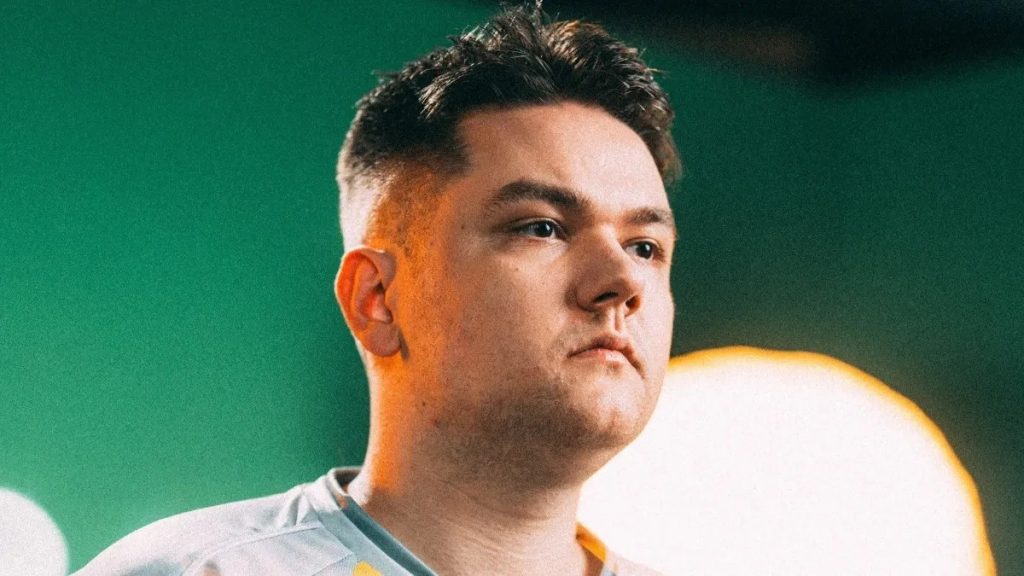
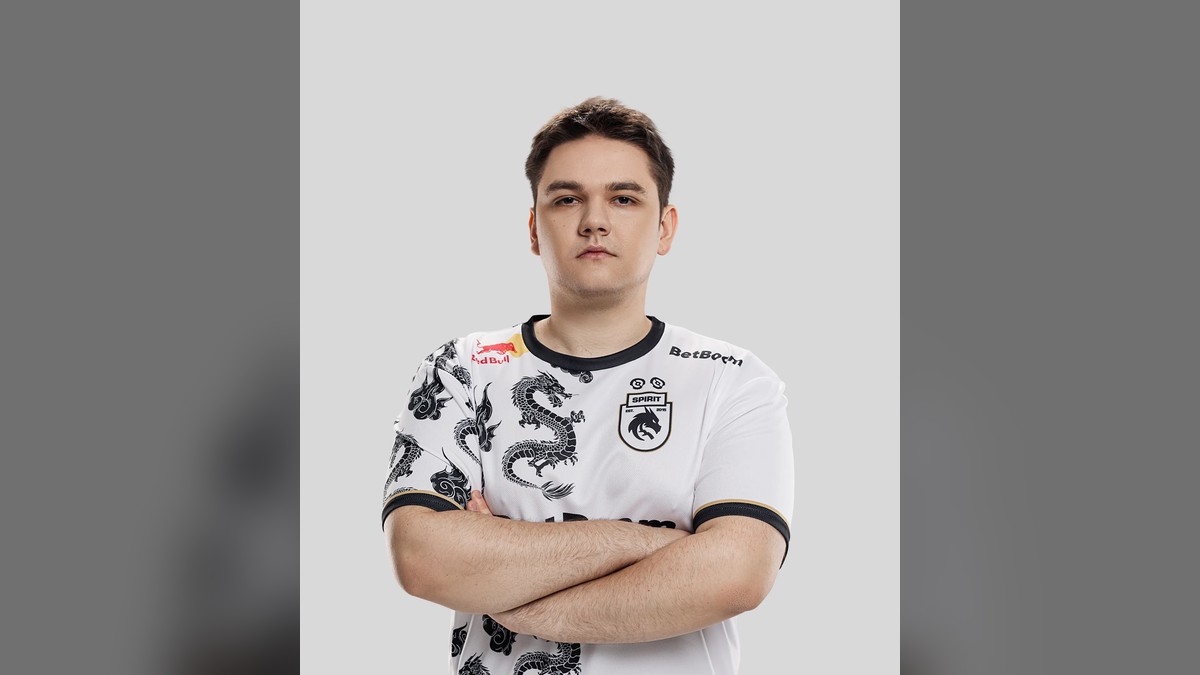
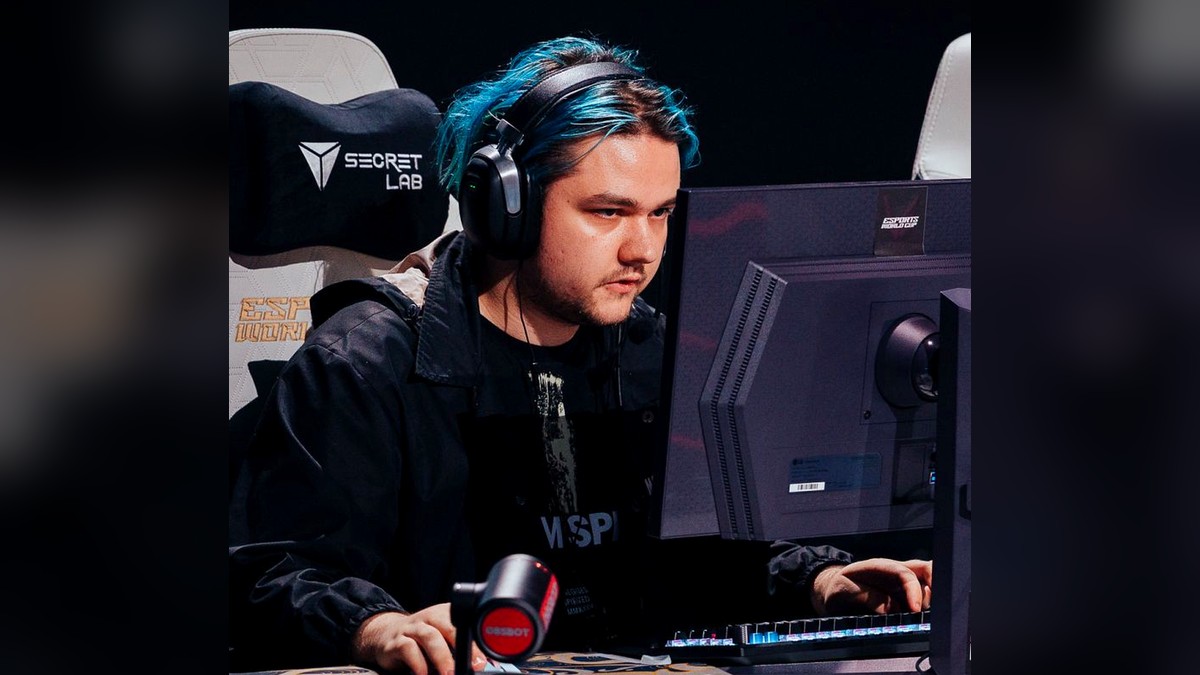
Yatoro did not take a vacation after The International 2026 because he did not want one, according to Team Spirit manager Dmitry “Korb3n” Belov. The comment keeps the focus on Ilya “Yatoro” Mulyarchuk’s own choice following the tournament rather than presenting his decision as an announced team requirement, tournament ruling or confirmed competitive commitment. Korb3n said the motivation behind that choice is something Yatoro himself would be better placed to explain.
Korb3n described Yatoro as someone with a strong sporting drive and welcomed that quality. That is the central confirmed development: Yatoro declined time away after The International 2026. It matters because post-event breaks are personal decisions that can easily be read as signals about a player’s plans, even when no such plans have been formally outlined. Korb3n did not attach Yatoro’s decision to a specific upcoming match, roster move, event stage or qualification route. His remarks instead identified the player as the person who made the call and the person who can best account for its motivation. The manager’s wording also leaves an important limit on the story. There is no stated timetable for how long Yatoro intends to continue without a break, and there is no announced consequence for Team Spirit’s next tournament appearance. The confirmed point is narrower but still notable after The International 2026: Yatoro chose to remain active rather than step away for vacation.
Korb3n frames the decision as personal
The explanation from Korb3n was not a detailed account of Yatoro’s preparation, workload or future schedule. He said Yatoro simply did not want a vacation, then directed the question of motivation back to the player. That distinction is significant. A manager can describe what happened and praise a competitor’s mentality without claiming to know every reason behind a private decision. Korb3n’s assessment was positive: he said Yatoro has a lot of sporting spirit. In this context, that is an evaluation of the player’s attitude, not confirmation of a new target or a promise about results. It explains why Korb3n viewed the refusal of a break favorably, while preserving the uncertainty around Yatoro’s individual reasons. The post-The International 2026 development therefore concerns willingness to keep going, not a newly confirmed competitive destination.
Korb3n also discussed the broader demands of esports work. Drawing on his own experience before esports, he said an esports player’s schedule is more demanding in terms of workload. He added that the work may not always become routine, but maintained that the volume of work is heavier. Those comments provide useful context for why a decision not to take time off stands out: it comes alongside an explicit view from a Team Spirit manager that the job’s workload is substantial. That context should not be turned into a claim that Yatoro was required to continue or that every player faces an identical situation. Korb3n’s point was general, while his account of Yatoro’s choice was specific. Keeping those two layers separate makes the update clearer. Yatoro’s decision followed The International 2026; Korb3n’s wider remarks addressed how demanding esports schedules can be, rather than establishing a tournament mandate.
A busy schedule does not explain every choice
Team Spirit are still competing rather than treating The International as the end of their season. At BLAST Slam VIII, the team beat Team Yandex 2-1 in a seeding match and earned a direct upper-bracket semifinal place. That is a concrete competitive backdrop for Korb3n’s remarks, but the tournament result cannot tell readers why Yatoro personally declined time away. Korb3n also distinguished the workload of esports from a conventional job, arguing from his own experience that the volume can be heavier even when the work feels less routine. Those broader remarks make the choice of a break meaningful; they do not establish that Team Spirit required Yatoro to skip one. The manager left the explanation of the player’s motivation to Yatoro himself. His account establishes a decision, not a rule for how long any professional should continue without rest.
- Confirmed development: Yatoro chose not to take a vacation after The International 2026, according to Korb3n.
- Unresolved point: Korb3n said Yatoro himself is the best person to explain where his motivation comes from.
- Tournament context: Spirit earned a direct BLAST Slam VIII semifinal place by beating Team Yandex 2-1; that result does not explain Yatoro’s private motivation.
| What is known | What remains open |
|---|---|
| Yatoro declined a post-TI vacation | Only Yatoro can fully explain his personal motivation. |
| Spirit reached the BLAST Slam VIII semifinals | The result does not establish a long-term no-break plan. |
The lasting takeaway is not a declared next step for Team Spirit, but the clarity of the decision already made. After The International 2026, Yatoro chose not to take a break, and Korb3n treated that as evidence of the player’s competitive spirit. Any fuller explanation of the motivation, however, remains with Yatoro rather than with the manager’s comments.
 EN — English
 RU — Русский
Comments (0)